top of page

Curious
by nature, thoughtful by design
Looking closely at the world, asking better questions, and reflecting on things worth caring about.
Articles and Essays
More coming soon...


The Cost of Convenience
Integrity is the daily practice of aligning what we believe with how we live.
5 min read
What I Keep Coming back to ↓
How can design improve everyday life?
How do we create more sustainable systems?
What gives people a sense of belonging?
How can technology support people without replacing humanity?
How do we make complex ideas feel approachable?
Reading Recommendations

01

02
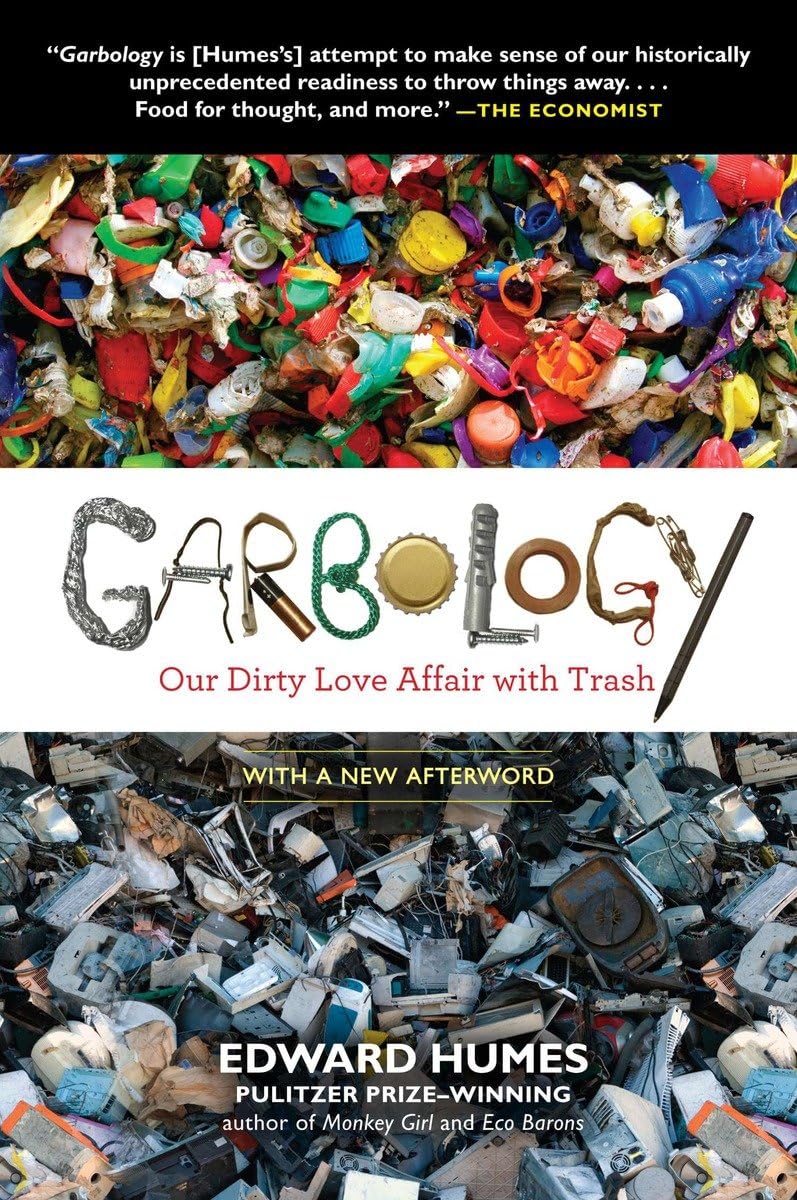
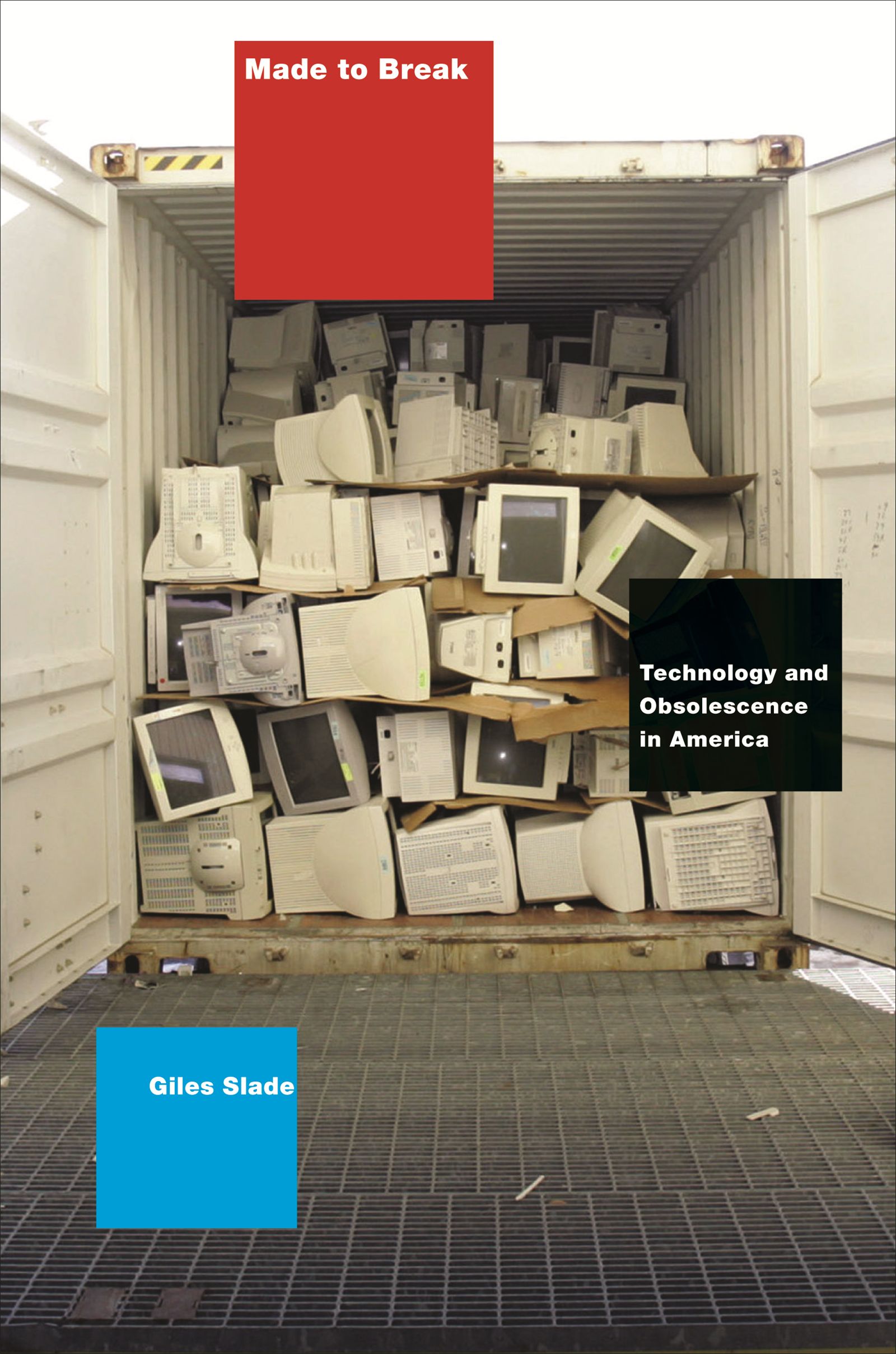
This book happened upon me (as a Peace Corps Volunteer in rural Zambia) and I’m so glad it did. It offers such a fascinating look at a series of systems all of us take part in yet most know little about it. The book is a little dated, but still relevant in understanding how we as a world deal with our heaping piles of trash. If we want to make changes and find solutions, first we have to arm ourselves with the knowledge of how our trash is being handled now and exactly how much of it there is. You will never feel the same about tossing your trash in the bin again.

03
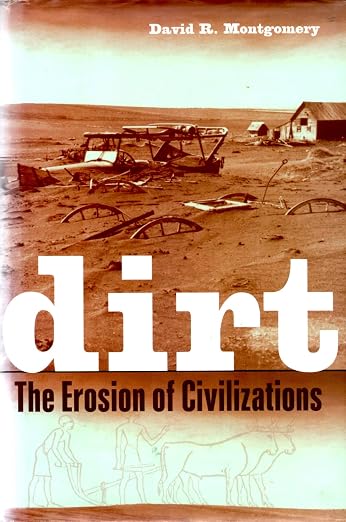
Dirt is everywhere. It is the root of our existence, supporting our feet, our farms, our cities. This fascinating yet disquieting book finds, however, that we are running out of dirt, and it's no laughing matter. An engaging natural and cultural history of soil that sweeps from ancient civilizations to modern times. A rich mix of history, archaeology and geology, ‘Dirt’ traces the role of soil use and abuse across world history and the American expansion. We see how soil has shaped us and we have shaped soil—as society after society has risen, prospered, and plowed through a natural endowment of fertile dirt. You will put down this book paying more attention to the building blocks of life and our collective futures below our feet.

04

05
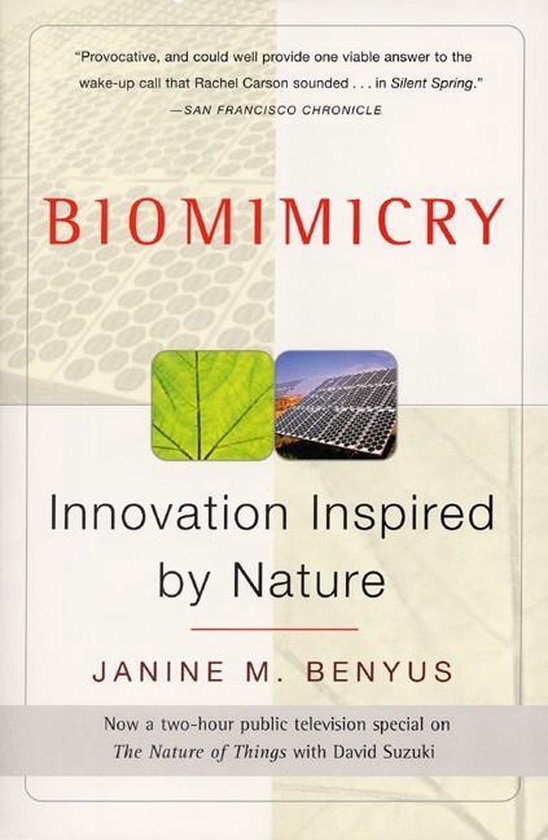
The Idea is simple; nature knows best, now we just need to follow its example. Nature has been finding the best solutions through trial and error for millions of years, if we take those solutions and apply them to our current science and engineering we can create better and more sustainable innovations. Using a variety of examples from the field and in the labs, she explains how merging our design and production processes to imitate nature can create more positive impacts on the environment and our health.

06

07
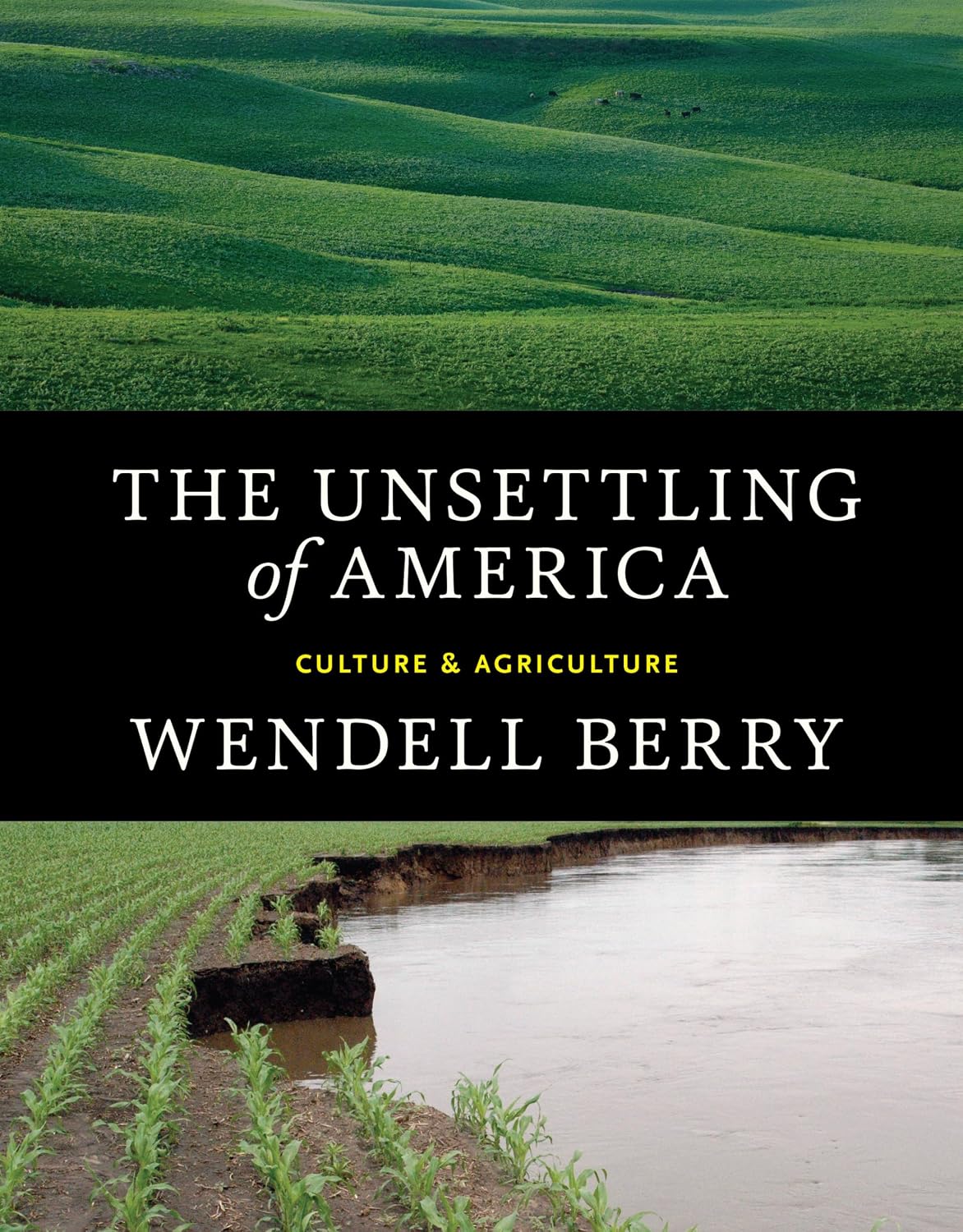
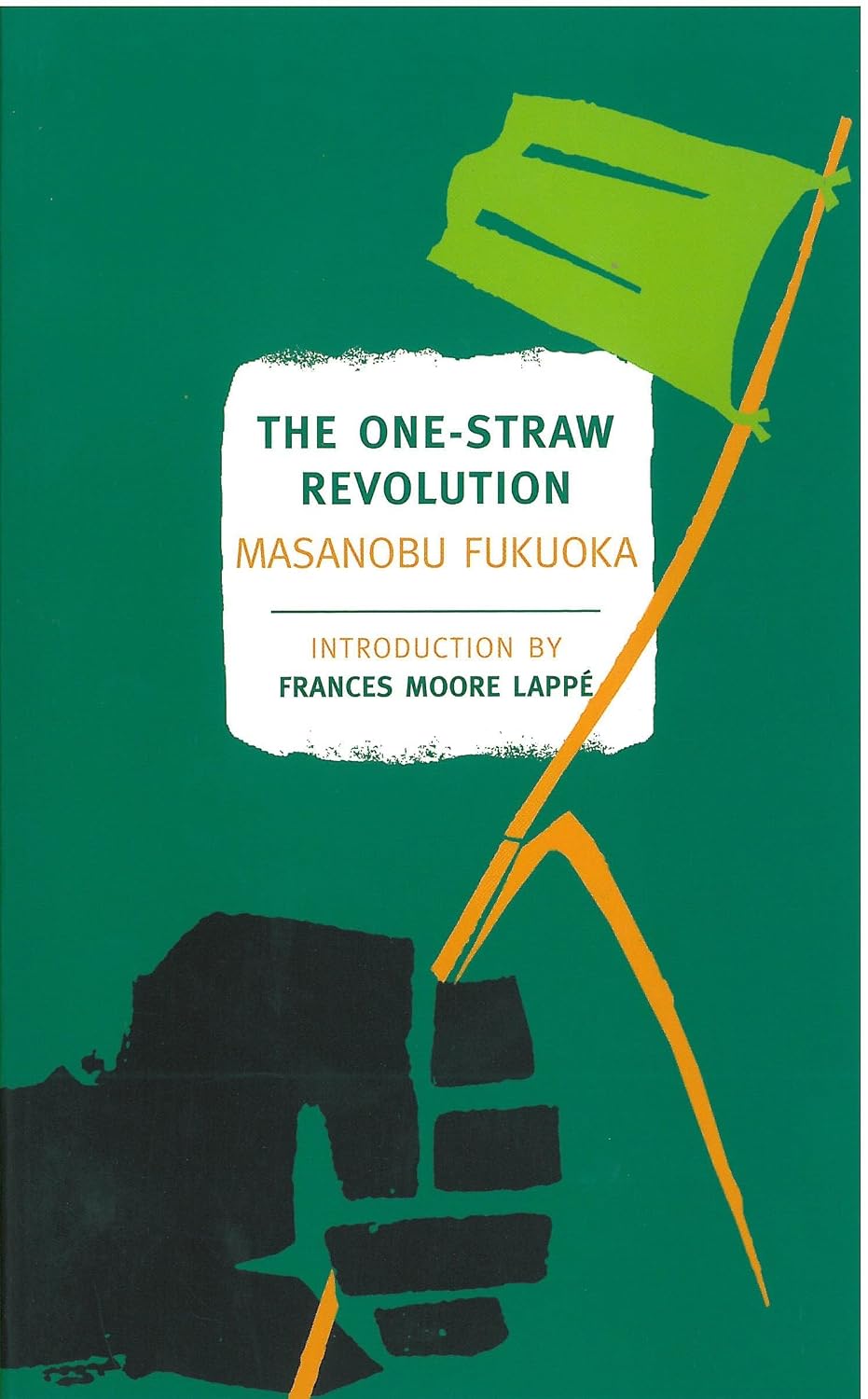
A mix of philosophy, organic farming manual, and personal memoir this book describes a man's thirty-year effort to perfect a method of farming he calls ‘do nothing’. While not all of us are willing to drop our current lives and begin a life moving completely back to nature, one can glean valuable insight into the balance of the natural world. We as a society have become too developed for it to be possible for everyone to resort to Fukuoka’s style of farming and living, but the practices and philosophy that he teaches can influence how we move forward to improve our agricultural and food systems, as well as our own personal philosophy.

08
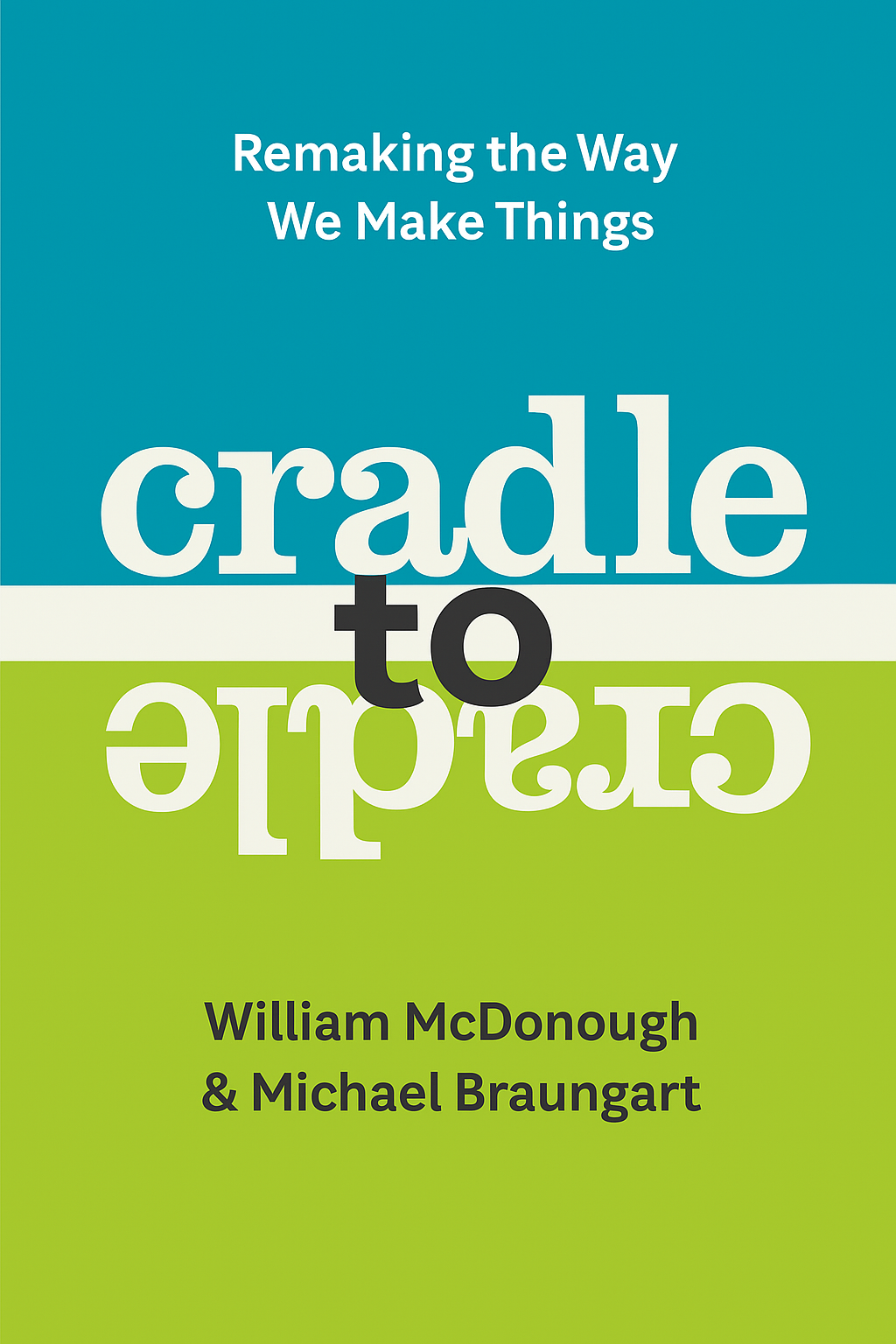
This book is always my first recommendation when talking about sustainability. Although I believe it was initially intended for designers, this book is relatable and essential for people from all backgrounds to read. It offers a positive outlook on the future compared to most other doom and gloom books describing the need for sustainability. It offers problem-solving and creativity as answers to some of our most challenging environmental and industrial manufacturing problems.
The Upcycle: Beyond Sustainability is The second book by the same authors. Still a great read but even more geared to those with design in mind.

09

10
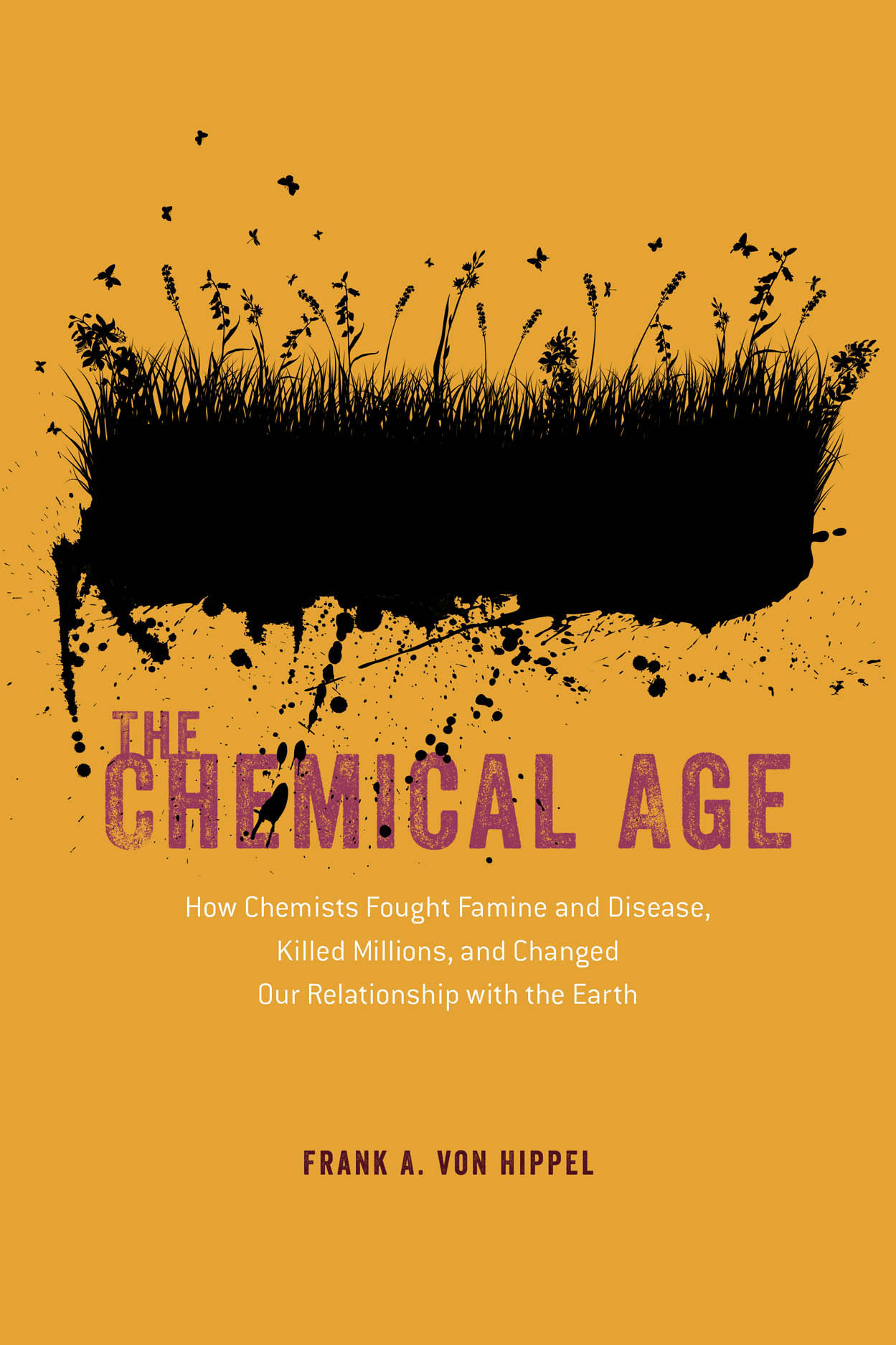
The Chemical Age is a dynamic, sweeping history of the scientists who waged war on famine and disease with chemistry and how it changed the modern world we live in. I started this book with an entirely different idea of what it would be about. I was expecting purely a history of chemicals and their negative effects on the environment, and while the book does articulate this as well, it is more focused on the reasonings behind the creation of such harmful chemicals. It was illuminating to realize that most of the chemicals we’ve engineered were created from a place of public health or safety, in other words, in the hopes of improving society. It was an illuminating story of the need to be careful when trying to solve the world’s problems. There is no easy answer, but sometimes the solution to a serious problem can also cause harmful effects.
11
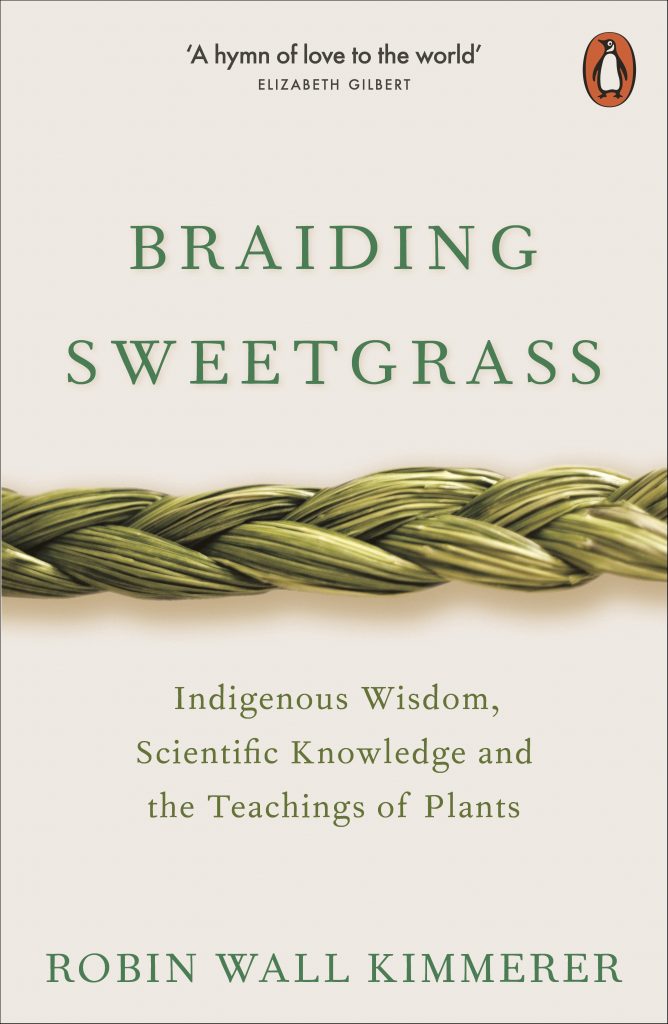
As a member of the Citizen Potawatomi Nation, Kimmer embraces the notion that plants and animals are our oldest teachers. Kimmerer merges her knowledge of science and indigenous culture to show that the awakening of a wider ecological consciousness requires the acknowledgment and celebration of our reciprocal relationship with the rest of the living world. While you will learn a lot about plants throughout the book, by the end you will have gained a new appreciation and way of looking at our relationship to all of nature surrounding us.
12

13
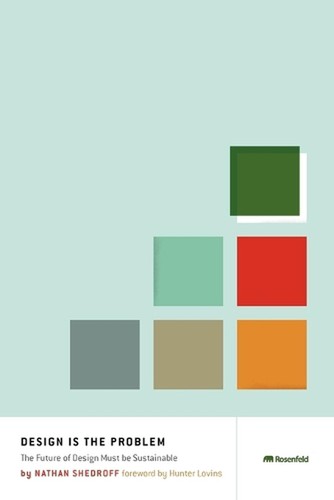
If you are not an industrial designer, this one might be a little harder to get through. It can be technical in a lot of ways that only those in the field can easily relate. I found this book to be so insightful in the way that I consider designing a product for sustainability; for example, material choice and reduction. The author really makes you think about the product and learn to dissect it in a way that makes you really consider what makes a product something that can be labeled as good for people and the planet or one that has just been marketed to make you believe it is.

14
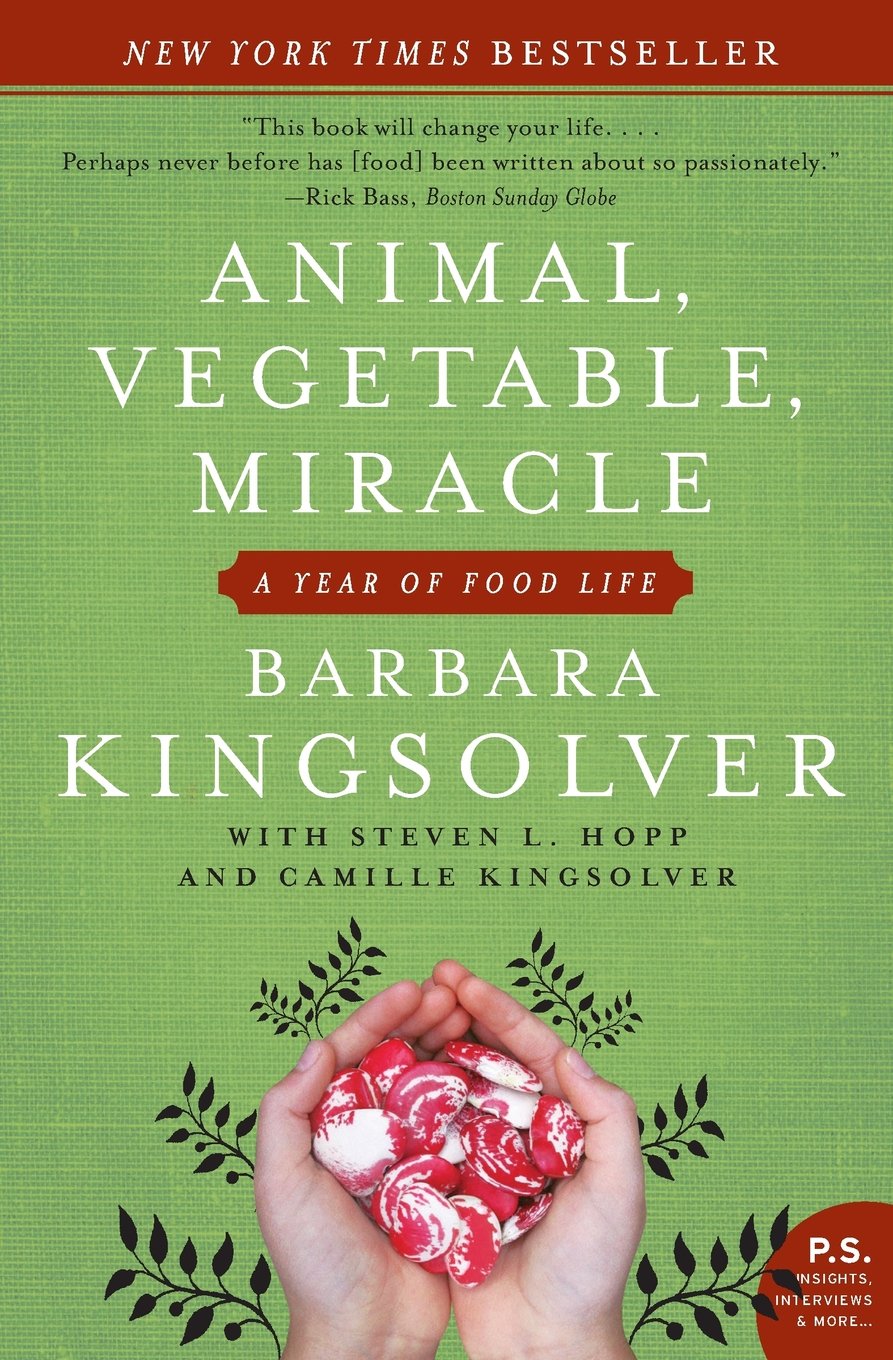
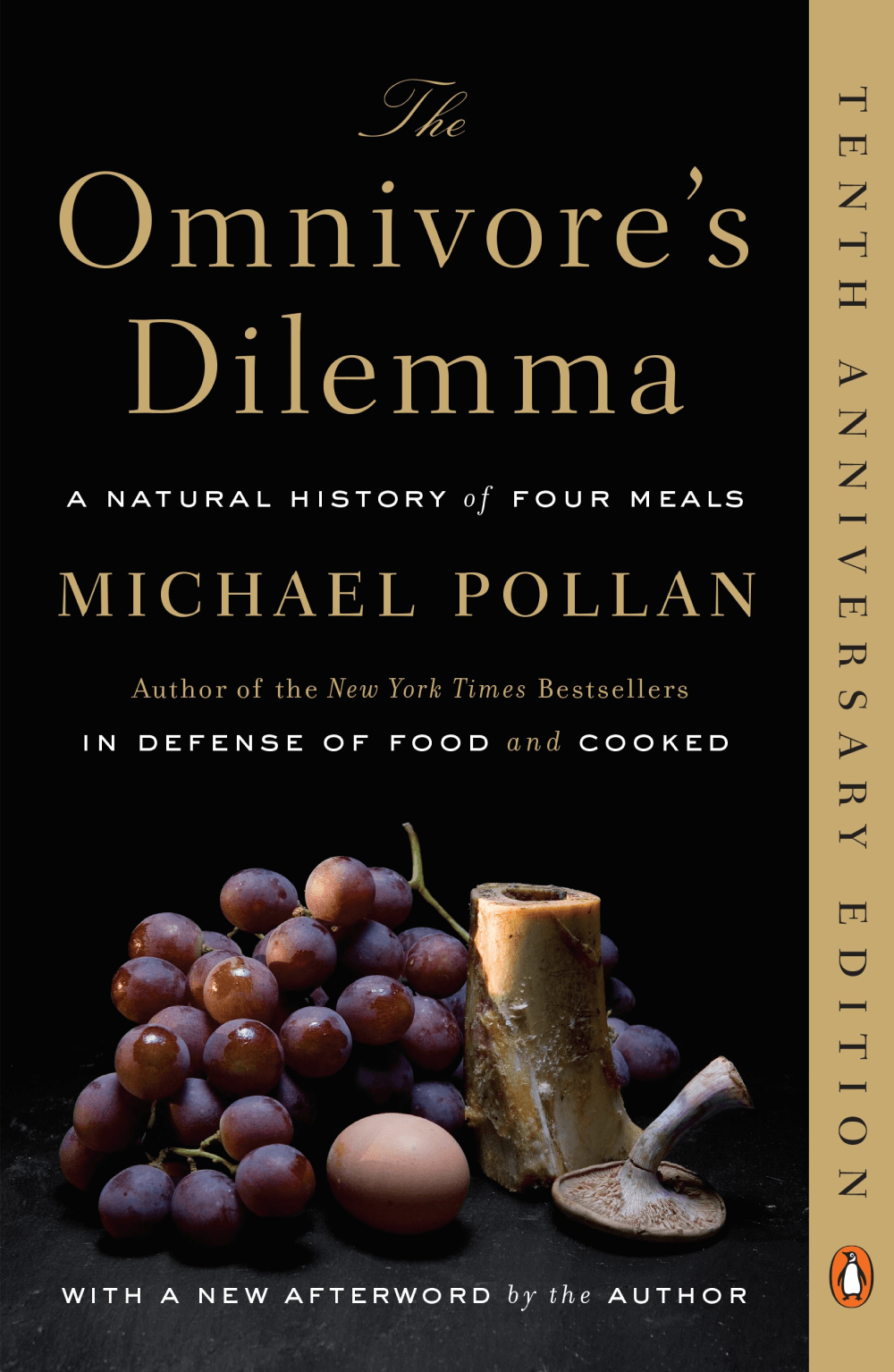
Pollen has always been among my favorite writers because of his clear, direct research and explanations. Using the simple question, ‘What should we have for dinner?’, Pollan is able to dissect our past and current agricultural systems to reveal the confused relationship society now has with food. What's at stake in our eating choices is not only our own and our children's health but the health of the environment that sustains life on earth.
In Defense of Food: An Eater’s Manifesto is a perfect follow-up to the above book. It goes more in-depth on the steps we can take to become better eaters by describing the current American way of eating.

15
01 / 15
01
02
This book happened upon me (as a Peace Corps Volunteer in rural Zambia) and I’m so glad it did. It offers such a fascinating look at a series of systems all of us take part in yet most know little about it. The book is a little dated, but still relevant in understanding how we as a world deal with our heaping piles of trash. If we want to make changes and find solutions, first we have to arm ourselves with the knowledge of how our trash is being handled now and exactly how much of it there is. You will never feel the same about tossing your trash in the bin again.
03
Dirt is everywhere. It is the root of our existence, supporting our feet, our farms, our cities. This fascinating yet disquieting book finds, however, that we are running out of dirt, and it's no laughing matter. An engaging natural and cultural history of soil that sweeps from ancient civilizations to modern times. A rich mix of history, archaeology and geology, ‘Dirt’ traces the role of soil use and abuse across world history and the American expansion. We see how soil has shaped us and we have shaped soil—as society after society has risen, prospered, and plowed through a natural endowment of fertile dirt. You will put down this book paying more attention to the building blocks of life and our collective futures below our feet.
04
05
The Idea is simple; nature knows best, now we just need to follow its example. Nature has been finding the best solutions through trial and error for millions of years, if we take those solutions and apply them to our current science and engineering we can create better and more sustainable innovations. Using a variety of examples from the field and in the labs, she explains how merging our design and production processes to imitate nature can create more positive impacts on the environment and our health.
06
07
A mix of philosophy, organic farming manual, and personal memoir this book describes a man's thirty-year effort to perfect a method of farming he calls ‘do nothing’. While not all of us are willing to drop our current lives and begin a life moving completely back to nature, one can glean valuable insight into the balance of the natural world. We as a society have become too developed for it to be possible for everyone to resort to Fukuoka’s style of farming and living, but the practices and philosophy that he teaches can influence how we move forward to improve our agricultural and food systems, as well as our own personal philosophy.
08
This book is always my first recommendation when talking about sustainability. Although I believe it was initially intended for designers, this book is relatable and essential for people from all backgrounds to read. It offers a positive outlook on the future compared to most other doom and gloom books describing the need for sustainability. It offers problem-solving and creativity as answers to some of our most challenging environmental and industrial manufacturing problems.
The Upcycle: Beyond Sustainability is The second book by the same authors. Still a great read but even more geared to those with design in mind.
09
10
The Chemical Age is a dynamic, sweeping history of the scientists who waged war on famine and disease with chemistry and how it changed the modern world we live in. I started this book with an entirely different idea of what it would be about. I was expecting purely a history of chemicals and their negative effects on the environment, and while the book does articulate this as well, it is more focused on the reasonings behind the creation of such harmful chemicals. It was illuminating to realize that most of the chemicals we’ve engineered were created from a place of public health or safety, in other words, in the hopes of improving society. It was an illuminating story of the need to be careful when trying to solve the world’s problems. There is no easy answer, but sometimes the solution to a serious problem can also cause harmful effects.
11
As a member of the Citizen Potawatomi Nation, Kimmer embraces the notion that plants and animals are our oldest teachers. Kimmerer merges her knowledge of science and indigenous culture to show that the awakening of a wider ecological consciousness requires the acknowledgment and celebration of our reciprocal relationship with the rest of the living world. While you will learn a lot about plants throughout the book, by the end you will have gained a new appreciation and way of looking at our relationship to all of nature surrounding us.
12
13
If you are not an industrial designer, this one might be a little harder to get through. It can be technical in a lot of ways that only those in the field can easily relate. I found this book to be so insightful in the way that I consider designing a product for sustainability; for example, material choice and reduction. The author really makes you think about the product and learn to dissect it in a way that makes you really consider what makes a product something that can be labeled as good for people and the planet or one that has just been marketed to make you believe it is.
14
Pollen has always been among my favorite writers because of his clear, direct research and explanations. Using the simple question, ‘What should we have for dinner?’, Pollan is able to dissect our past and current agricultural systems to reveal the confused relationship society now has with food. What's at stake in our eating choices is not only our own and our children's health but the health of the environment that sustains life on earth.
In Defense of Food: An Eater’s Manifesto is a perfect follow-up to the above book. It goes more in-depth on the steps we can take to become better eaters by describing the current American way of eating.
15
Design ✦ Food & Agriculture ✦ Ecology ✦ People & Community ✦ Technology ✦ Arts & Culture ✦
bottom of page